- +91********12
- **********150@gmail.com

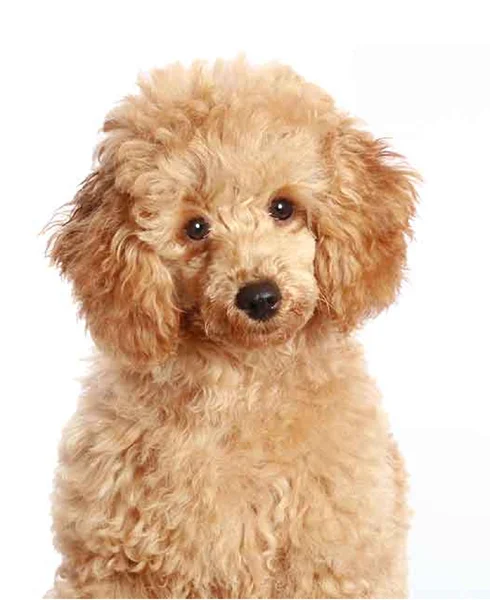
| Category | Toy Dog Breeds |
Despite his diminutive size, the Toy Poodle stands proudly among dogdom's true aristocrats. Beneath the curly, low-allergen coat is an elegant athlete and companion for all reasons and Season. Poodles come in three size varieties: Standards should be more than 15 inches tall at the shoulder; miniatures are 15 inches or under; Toys stand no more than 10 inches. All three varieties have the same build and proportions. At dog shows, Poodles are usually seen in the elaborate Continental Clip. Most pet owners prefer the simpler Sporting Clip, in which the coat is shorn to follow the outline of the squarely built, smoothly muscled body. Forget those old stereotypes of Poodles as sissy dogs. Poodles are eager, athletic, and wickedly smart "real dogs" of remarkable versatility. With an abundance of steady character and intelligence, the Toy Poodle is a "person" and expects to be treated like one.
1.Life expectancy: 12 – 15 years
2. Height Toy Poodle: 24 – 28 cm
Miniature Poodle: 28 – 35 cm
Standard Poodle: 45 – 60 cm
Medium Poodle: 35 – 45 cm
3. Colors: Black, White, Apricot, Cream, Sable, Black & White, Grey, Blue, Brown, Silver, Red
4. Origin: Germany, France
5.Temperament: Intelligent, Alert, Faithful, Active, Instinctual, Trainable
Poodles are known as a highly intelligent, energetic, and sociable breed. They require both physical and intellectual activities. A typical poodle should be reserved and a little aloof with strangers upon the first introduction, but after a while should slowly reveal a warm and personable disposition once the dog realizes the new person is trustworthy and means no harm. The snappy, vicious behavior is considered a serious fault in the breed. Though not suitable for being a guard dog because it is not a territorial breed nor particularly aggressive, poodles who are well-loved and cared for will reciprocate with devotion and loyalty: a dog of this breed is normally quiet and calm, but if it is totally sure danger is near, it quickly becomes very protective of its master, its master's spouse, and its master's children.
Poodles are highly trainable dogs that typically excel in obedience training. A poodle will do well at many dog sports, including dog agility, flyball, dock diving, dog surfing, field tracking, disc dog, and for the largest sized poodles even schutzhund. They will enjoy hiking and camping trips with their masters or families. Their background as duck dogs means centuries of instinctive attraction to water and thus they can go on any trip involving swimming, whether in the sea, at the lake, or even whitewater up to class III for the Standard, though a lifejacket is paramount for all of the above. However, all individual dogs, even from breeds who are talented swimmers like the Chesapeake Bay Retriever or the Portuguese Water Dog, require a gentle introduction to water before they are comfortable in it and will not start swimming readily as young puppies. Poodles are no different and must learn that water is a place to play first.
Of the size varieties, Standard Poodles are the most highly recommended for families with children. Because of the haircuts popular in the show ring and their history of being dogs of the middle and upper classes for so long, the Standard Poodle has been stereotyped as an effete and frou-frou dog. Presuming that stereotype is true where children and teenagers are concerned is a grave mistake because the truth is that a Standard Poodle will rejoice at the opportunity to bounce around, even roughhouse in the dirt. They have a merry, kindly demeanor and they adore playing games that spark their interest in physical and social stimulation. For example, school-age children and teenagers will be absolutely delighted at the prospect of playing hide and seek. The Standard would be very happy playing baseball or tennis with kids and teenagers because that means catching wayward balls in their mouths. They would be happy to run alongside a teenager on a skateboard in autumn, to slide down the hill on a sled in winter with younger children, or to jump in the swimming pool in the summertime to chase after diving rings or to splash with the kids so long as they have been taught how to use the stairs to get out and water safety skills for dogs.
As with all dogs, introductions to babies should be gradual, though most Standards will tolerate a baby and learn to be gentle and will respect toddlers so long as the child is supervised. A Standard Poodle will be fine in a family with many children provided the environment is stable, orderly, and relaxed, with enough room for the dog to go out and retire somewhere quiet if needed. Miniature and Toy varieties tend to have less patience with young children and might find certain children's antics too much to handle, especially because young children are much larger than they are and may attempt to grab them without understanding how this is frightening to a small dog. They are likely to bite out of fear and thus are better suited to homes with teenagers or older children. Poodles dislike being left alone or left out of the family fun and some get anxious at being left in the house alone, but signs of nervousness or neurosis are atypical and not how a poodle of any size is meant to behave. Miniature and Toy Poodles must not be treated like babies; they must not be picked up and carried around constantly and without being put on a leash to walk: they will start to believe they are in charge, that they do not owe anyone good behavior and they become very spoiled and uncontrollable.


