- +91********12
- **********150@gmail.com

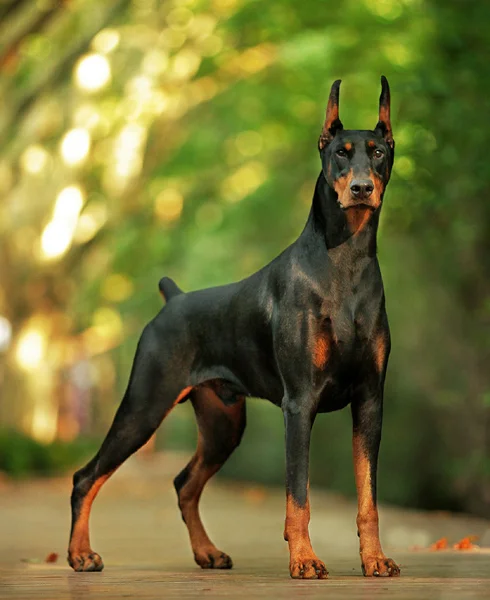
| Category | Large Dog Breeds |
Because the Doberman Pinscher (spelled Dobermann in some countries) came into existence at the end of the 19th century, they are, in the world of dogs, the new kid on the block. This hasn't stopped the Dobie, as they're affectionately called, from becoming one of the most popular and recognized breeds in the United States.
Their look is elegant and their style is athletic; the Dobie is also intelligent, alert, and loyal. They're a courageous guard dog as well as a beloved family companion.
The Dobie's fierce reputation precedes them. They're feared by those who don't know them, stereotyped as highly aggressive and vicious. True, they're a formidable guardian, but they're usually gentle, watchful, and loving dog. They don't go looking for trouble, but they're fearless and will defend their family and turf if they perceive danger.
The Doberman Pinscher enjoys being part of a family. They like to be close to those they love and, when this love is present, they're a natural protector. They're trustworthy with their family's children, friends, and guests as long as the pooch is treated kindly.
In spite of their positive qualities, the Dobie isn't the right breed for everyone. They're large, at 60 to 80 pounds, and they're extremely active, both physically and mentally. They need a lot of exercises.
They also need plenty of mental challenges to keep them from becoming bored. They need a strong owner/pack leader who can take time to properly socialize and train them, and who will keep them busy every day. This may be too much to handle for people who lead a more laid-back lifestyle.
The current look of the Dobie is slimmer and sleeker than that of past years. Their temperament has also changed somewhat, say, breed enthusiasts, softening a bit from their early days in Germany, though they're still an excellent guard dog.
Originally, Dobies' ears were cropped to increase their ability to locate sounds, and tail docking gave the breed a more streamlined look. North American breeders usually dock the tails and crop the ears of Doberman puppies, though it's not mandatory. Docking and ear cropping are illegal in some countries.
Those who know them say that a properly socialized Dobie is an excellent pet and companion, suitable for families with other dogs, gentle with young children, and overall a loyal and devoted family member.
1.Life expectancy: 10 – 13 years
2.Origin: Germany
3.Colors: White, Black, Fawn, Black & Rust, Red & Rust, Blue, Fawn & Rust, Blue & Rust, Red
4.Height: Male: 66–72 cm, Female: 61–68 cm
5.Temperament: Energetic, Obedient, Intelligent, Fearless, Alert, Loyal, Confident
6.Weight: Male: 40–45 kg, Female: 32–35 kg
A super-intelligent and super-active dog--that's what you get when you get a Doberman Pinscher. You also get an extremely loyal, trustworthy dog who's playful and fun-loving with family. They're a natural protector who won't hesitate to act when they think their family is under threat, but they're not aggressive without reason.
The Dobie likes to be busy, physically and mentally. They learn quickly, and training them is easy. Because they learn so fast, it's challenging to keep lessons fresh and interesting. They can have their own ideas about things, though typically they're not overly stubborn or willful with an owner who provides consistent, kind leadership.
The Dobie takes a while to grow up. They remain puppyish until they're three to four years old.
Temperament is affected by a number of factors, including heredity, training, and socialization. Puppies with nice temperaments are curious and playful, willing to approach people and be held by them. Meeting the dog's parents, siblings, or other relatives may also prove helpful for evaluating what a puppy will be like when they grow up.
Like every dog, the Dobie needs early socialization exposure to many different people, sights, sounds, and experiences--when they're young. Socialization helps ensure that your Dobie puppy grows up to be a well-rounded dog.
Enrolling them in a puppy kindergarten class is a great start. Inviting visitors over regularly and taking your pup to busy parks, stores that allow dogs, and on leisurely strolls to meet neighbors will also help them polish their social skills.


